Hotel Lighting Fixtures for Hotels
Hotel lighting fixtures from one factory — chandeliers, pendants, sconces, ceiling fittings, table lamps and mirror lights. Six families, one finish family, one production batch, so a property does not end up with six suppliers and six slightly different brasses.
The Six Families, and Where Each One Goes
These are the categories a hotel project actually buys. Most properties use four or five of them; very few use all six.
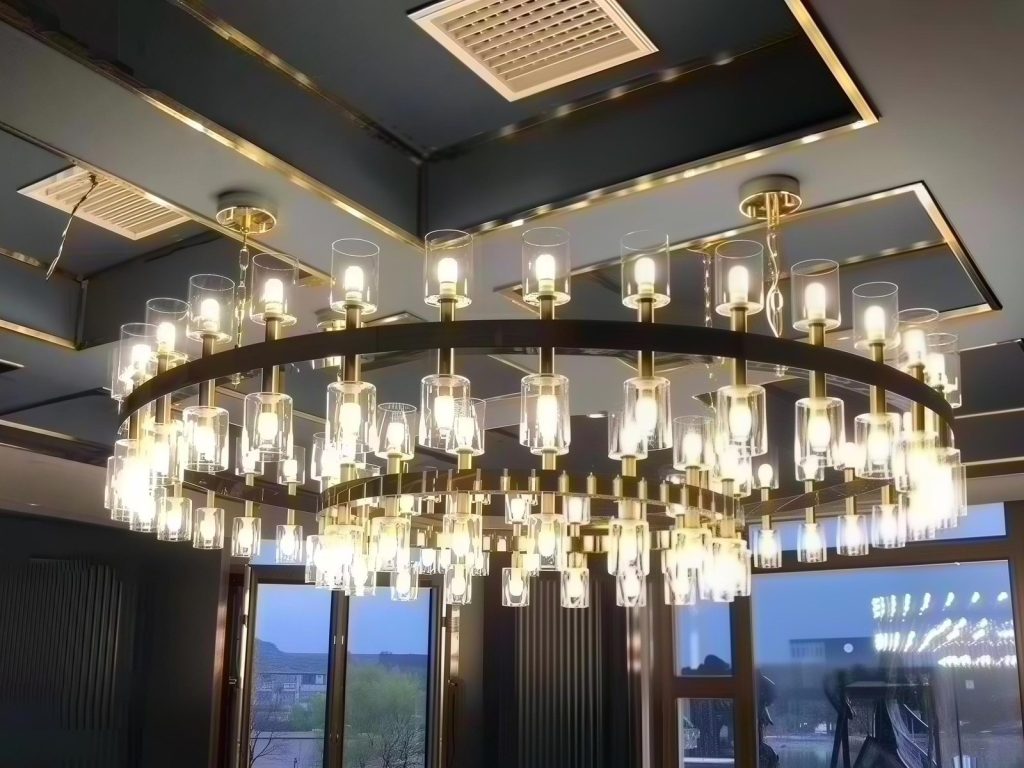
Hotel & Banquet Chandeliers
Lobby, ballroom and staircase. The piece that sets the ceiling reference.
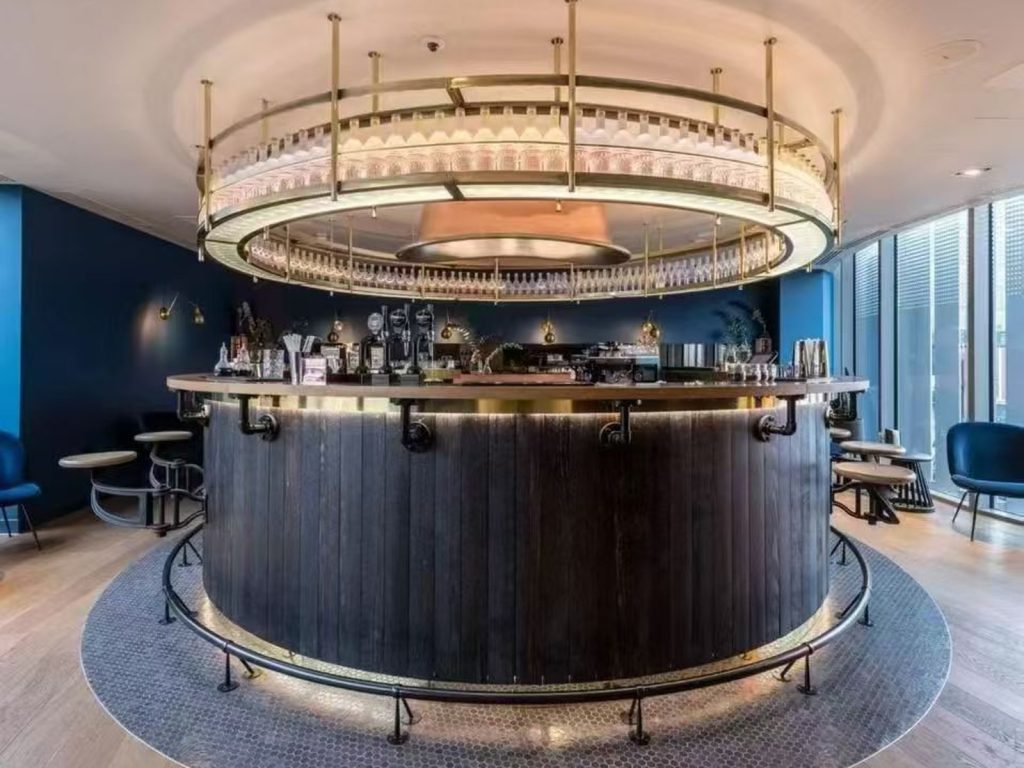
Pendants & Ceiling Lights
Over counters, dining tables and circulation routes. The most-used family.
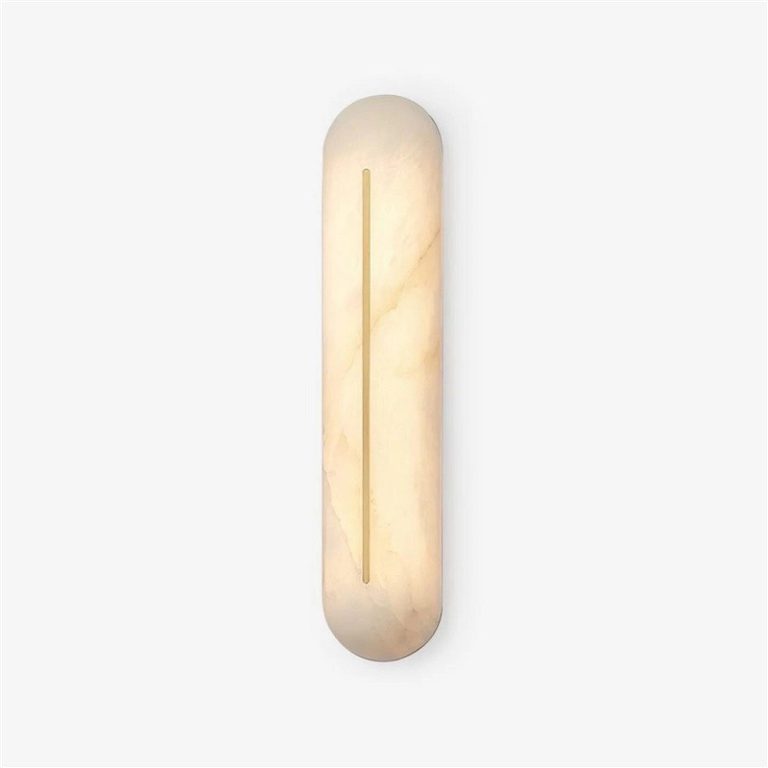
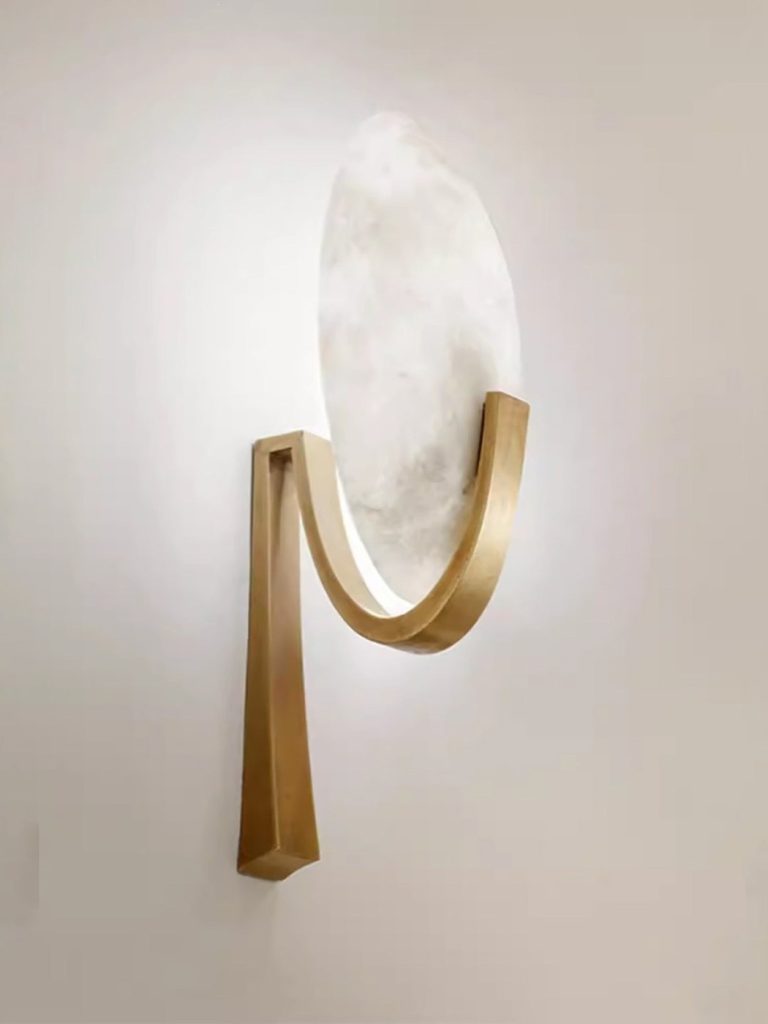
Wall Sconces & Picture Lights
Corridors, bedside positions and artwork. Sold by the run, not the room.
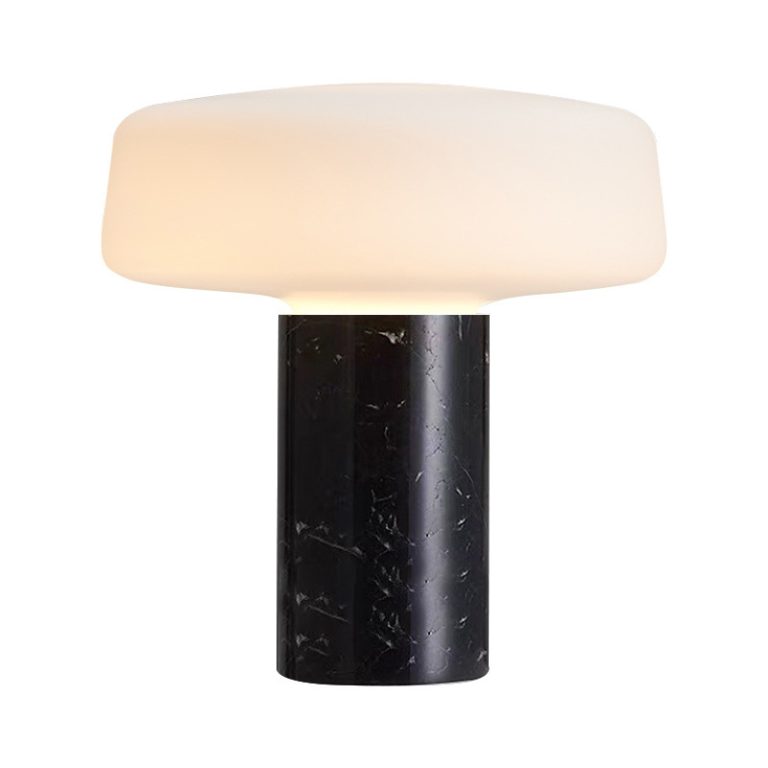
Mirror & Vanity Lights
Bathrooms and dressing areas. The family most often specified late.
Crystal Chandeliers
Where the property wants sparkle as the design language, not as a detail.
Specifying by Space, Not by Product
This is the part that decides whether a package hangs together. A hotel buys fixtures by room, not by catalogue page, and the same corridor will need a different fitting at the lift lobby than at the guest door.
| Space | Fixture that works | What decides it |
|---|---|---|
| Lobby | Large chandelier or a cluster of pendants | Ceiling height and the sightline from the entrance. This is the piece the property is remembered by |
| Ballroom / banquet | Modular chandelier on a structured ceiling | Whether the room divides, and whether the rigging can be reached for cleaning |
| Corridor | Wall sconce at 1.8–2.1 m centres 2.4–3.0 m | Door module spacing and the wall finish. Glare at eye height is the failure mode |
| Guest room | Bedside lamp or swing-arm sconce, plus a desk lamp | Mattress height and switch reach from the pillow |
| Bathroom | Mirror light or vertical vanity bar | CRI on the face, and IP rating if the fitting is inside the shower zone |
| Restaurant / bar | Low pendants over tables | Table height and whether the room must switch between lunch and dinner scenes |
The corridor guide, guest room guide and lamp guide take each of those rows down to the numbers. This page is the map.
One thing that surprises first-time buyers: the fixture budget is not spread evenly across those rows.
The lobby and ballroom usually account for a third to half of the decorative spend, because the fittings are larger, often bespoke, and hung from structure rather than fixed to a wall.
Guest room lamps and corridor sconces are numerically the largest lines — a 180-key hotel takes 400–600 lamps and 120–280 sconces — but they are simple pieces bought in volume.
That split matters when a project is value-engineered. Cutting the lobby chandelier changes the property; cutting the corridor sconce changes the guest’s arrival experience. Cutting the guest room lamp is usually the least visible saving and the one that gets proposed first.
What Every Fixture Should Meet
These apply to all six families. They are the items that turn a decorative fitting into a contract one.
- 2700K or 3000K, CRI Ra ≥ 90, R9 ≥ 50 — the R9 figure is what keeps reds and skin tones from going grey. Most budget fittings quote CRI without R9, which is where the disappointment comes from.
- Dimmable drivers — trailing-edge or 0–10V, matched to the control system on site. A fitting that dims badly is worse than one that does not dim at all.
- Replaceable light source or module — a sealed unit means replacing the whole fixture in year four or five.
- Voltage for the destination — 120V or 277V at 60Hz for North America; 220–240V at 50Hz for Europe, the UK, the Gulf and Australia.
- Surface temperature within touch limits — matters on bedside and reading positions where a guest can reach the shade.
- Salt-spray tested finish on any coastal or resort property, stated with the hours, not just the standard name.
- Consistent colour temperature across suppliers — if the engineering layer comes from a different source, set the CCT in the specification rather than letting each supplier default. Mixed 2700K and 3000K on the same floor is the commonest fault we see.
- Driver accessible from below where the ceiling is closed. A driver buried above a plaster ceiling means cutting the ceiling to change it, which is a ten-year problem created in one decision.
What Goes Wrong With Multiple Suppliers
Almost every fixture complaint we hear traces back to the package being split, not to any one fitting.
- Two brasses, one corridor — solid brass patinates differently per batch. Two suppliers, two tones, visible in a single sightline.
- Two alabasters, one ceiling — natural stone varies. Buying half the run elsewhere means the difference shows under the same lighting.
- Three colour temperatures on three floors — each supplier ships its own default. A guest walking between floors reads it as a fault.
- Nobody owns the interface — the chandelier supplier blames the ceiling contractor, the contractor blames the suspension detail. One supplier means one party to call.
- Spares that do not match — a shade replaced in year three from a different source will not match the run.
The practical fix is to split the package by system rather than by room. One supplier for the decorative layer, one for the engineering layer, with the decorative layer bought as a single run — even if it ships in phases.
A package split room by room almost always ends up mixed.
Where a project must use multiple decorative suppliers — a local source for part of the run, for instance — send the approved sample to both and require both to match it. Do not send a photograph.
Frequently Asked Questions
Can one supplier really cover a whole hotel?
What is the difference between a decorative and an engineering fixture?
How is a hotel lighting package usually priced?
Can I mix families from the same supplier?
What is the minimum order?
Do you supply certification for the destination market?
Have a Room Schedule?
Send the schedule or the FF&E drawings with room counts. We will come back with a package price per family against your actual rooms.
Related Reading
- Hospitality lighting supplier guide — MOQ, certification and port delivery across every category
- Hotel corridor lighting — sconce heights, lux levels and spacing
- Guest room lighting guide — the lighting layers inside the room
- Hotel lamps — bedside, floor and reading lamps
- What a China port price includes — and what it does not