Hotel Lamps Made to Your Specification
Bedside, floor and reading lamps made to your dimensions and finish — so the lamp, the mattress height and the nightstand line up on site.
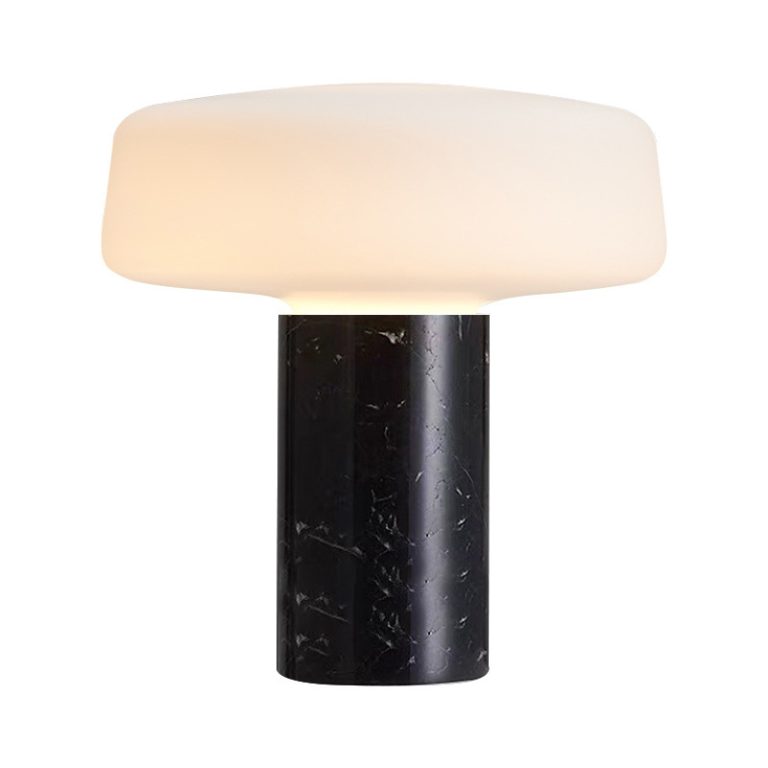
Six Lamps, Three Jobs
Two bedside lamps, one floor lamp, one desk lamp — that covers most guest rooms. These six designs are in production now; each can be resized or refinished.
Spanish Alabaster
Real stone shade. Warm, even glow with no hot spot — the one guests notice.
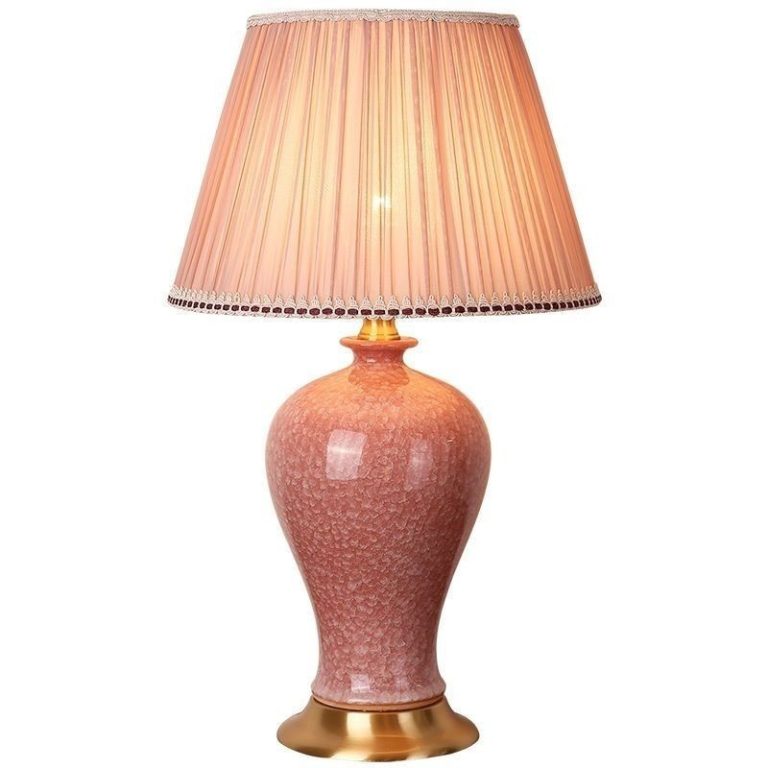
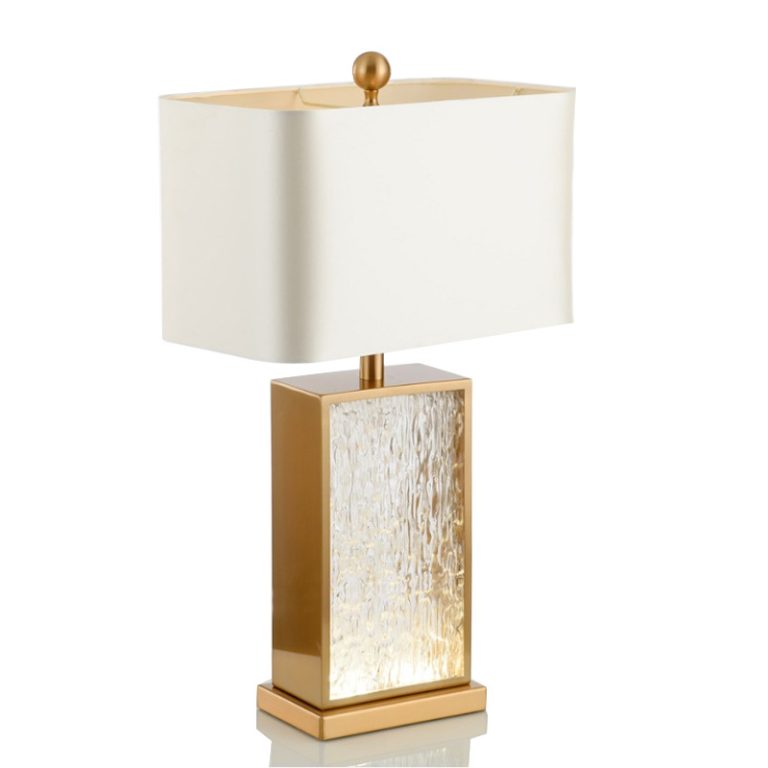
Brass, Ice-Crystal
Softer diffusion than clear glass. Reads warm without glare at eye level.
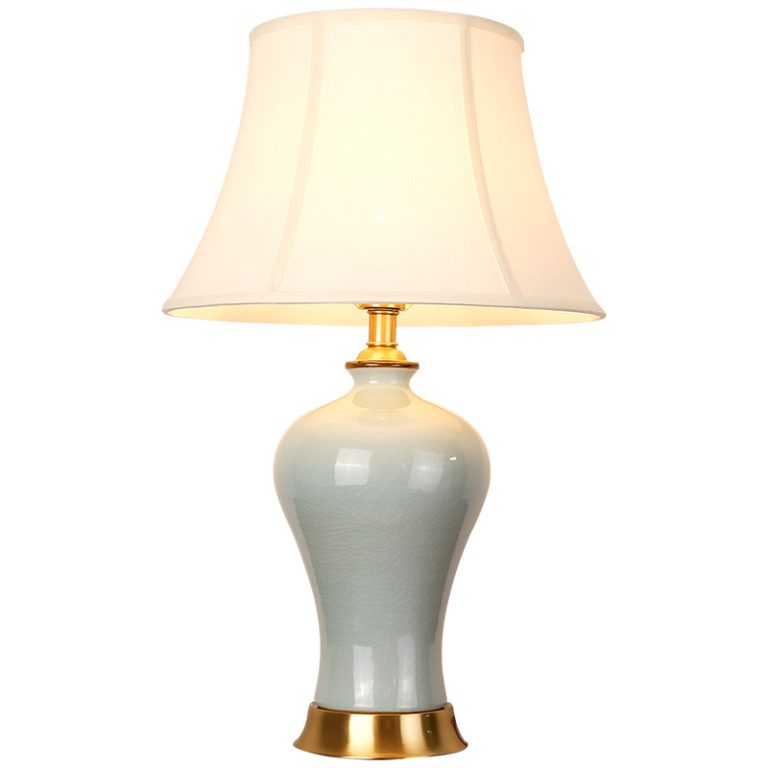
Solid Brass, Ceramic Shade
Solid brass on the arm and switch — the parts that wear first.
Which Lamp for Which Room
Hotel room lamps are counted by position, not by floor area. This is the pattern most properties follow, and the number to put in the first enquiry.
| Room type | Lamp positions | Count per room |
|---|---|---|
| Standard king | Two bedside, or two wall-mounted reading lights | 2 |
| Standard twin | One bedside per bed, plus one shared central position | 2–3 |
| King with desk | Two bedside plus one desk lamp | 3 |
| Junior suite | Two bedside, one desk, one floor lamp | 4 |
| Full suite | Two bedside, one desk, two floor lamps, one vanity light | 5–6 |
For a 180-key property with a normal mix of king, twin and suites, the first order lands around 400–600 lamps, including 3–5% held as housekeeping spares. That is well above MOQ, so the variables that actually decide the outcome become lead time and finish consistency.
The Switch Is What Guests Judge
A hotel lamp is used by someone who did not choose it and cannot see the switch at 2 a.m. This is the single detail that decides whether the lamp is tolerated or complained about.
- Socket switch under the shade — the worst option. The guest reaches into a warm shade and usually knocks the lamp. Never on a bedside lamp.
- In-line switch on the cord — workable only if the switch lands on the nightstand top, not on the floor behind it.
- Base-mounted rotary or touch — good. The hand finds it without looking. Our default for bedside lamps.
- Wall switch beside the bed — best, and it removes the reach problem entirely. Needs planning at first fix.
Whichever you choose, test it from the pillow. A lamp that needs the guest to sit up and reach behind a shade gets left on all night — which shows up on the energy bill and in the housekeeping round.
USB in the Base, or They Unplug You
Guests charge phones overnight, and the nightstand is where it happens. This has moved from a premium feature to an expectation in about five years.
- USB-A plus USB-C, 2.1 A combined — covers phones, watches and tablets. USB-C alone is not enough yet; most guests still carry USB-A cables.
- Make the module replaceable from the base — USB standards change faster than the lamp will last. A sealed module means replacing the whole fixture in year four.
- Match the destination market — 120V/60Hz North America, 220–240V/50Hz Europe, the UK, the Gulf and Australia. Confirmed from your drawings, not assumed.
Materials That Survive Ten Years
A guest room lamp is touched more than any other fixture in the building. Guests grab the shade to move it, hook bags over the arm, and put wet glasses on the base.
- Solid brass on the switch and arm, not plating. Plated finishes wear through at the touch points within two or three seasons; brass develops a patina and can be re-polished on site.
- Real alabaster where the lamp is a design feature. Natural stone, so veining varies piece to piece — order the whole run as one batch so the shades match in one sightline.
- Ceramic or porcelain for colour-led schemes. Chips at the edges rather than denting, and wipes clean.
- Glass shades in rooms with short housekeeping turnaround. They do not stain, but they chip if struck — specify a replaceable shade rather than a sealed unit.
What to Send With an Enquiry
Lamps are the category most often specified from a photograph and then reworked. These six items remove most of the back-and-forth.
- Room types and counts — standard king, twin, suite, accessible room, and how many of each.
- Nightstand width, depth and height, plus the mattress top height above floor. The shade should sit at or just below eye level for a guest sitting up — normally 500–600 mm above the mattress.
- Switch type and position — base, in-line, wall, or a bedside master panel.
- Power requirement — USB only, or USB plus a switched outlet, and the destination socket type.
- Finish and shade direction, with a physical sample or a named reference rather than a screen colour.
- Certification requirement for the destination market, stated on the enquiry so it lands on the quotation.
- Shade diameter against nightstand depth — a base wider than about two-thirds of the surface crowds it and gets pushed back against the wall, which puts the shade in the wrong place.
- Whether the lamp is the only reading light — if it is, the shade needs to be open at the bottom or the head aimable. A closed drum lights the ceiling, not the book.
- Floor lamp base against carpet — a wide base on deep pile is stable; a slim base on the same carpet will tip. Give the carpet type if it is not yet laid.
With those, the quotation is built against your actual room schedule rather than a catalogue item.
Prices are quoted per piece for delivery to your nominated China port, and include export packing and quality inspection. International freight, clearance, duty and taxes sit outside the product price. The cost breakdown sets out exactly what is inside the figure.
Frequently Asked Questions
What makes a lamp a hotel lamp rather than a domestic one?
How tall should a bedside lamp be?
Do the lamps need USB ports?
Can the lamps be made for 120V or European voltage?
What is the minimum order?
How long does production take?
Have a Room Schedule?
Send the floor plans, the nightstand dimensions and the room count. We will come back with a per-piece price against your actual rooms, not a catalogue item.
Related Reading
- Guest room lighting guide — the lighting layers, target levels and how many fixtures a room needs
- Hotel corridor lighting — sconce heights, lux levels and layout for public circulation
- All hotel lighting fixtures — the six families, and which one goes in which space
- Alabaster lighting — how to tell real stone from resin, and why it changes the glow
- Hospitality lighting supplier guide — MOQ, certification and port delivery across every category